Exploring Ireland’s Beautiful Islands
This summer, step beyond the mainland and discover Ireland’s treasured islands. With accessible ferry routes, guided tours, and the promise of unforgettable scenery and stories, there’s no better time to explore these six gems.
Clare Island
Nestled in the heart of Clew Bay, Clare Island is a captivating blend of history, archaeology, and natural beauty. At the island’s core stands the ruins of Clare Island Cistercian Abbey, a formidable medieval stronghold dating back to the 15th century. It thought the original building dates from the early 13th century and is now under the care of the Office of Public Works. This medieval church is significant for the extent of its surviving medieval wall paintings.
Officially known as ‘St. Bridget’s Abbey’ it is more correctly termed a ‘Cell’. The building contains tombs of the local ruling family, the O’Malleys- including that of the legendary Grace O’Malley or Grainne Mhaol – the pirate queen of Connaught. The abbey is a testament to Ireland’s monastic heritage and monastic craftsmanship.
Access is available via ferries from Roonagh Pier, with facilities to explore the site unguided, though caretakers are on hand during the summer months. The OPW’s ongoing conservation efforts ensure the preservation of this rich heritage for future generations.
Garinish Island (Illnacullin)
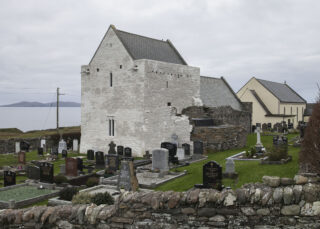
Garinish Island (Illnacullin), sitting in the picturesque Glengarriff Harbour within Bantry Bay, is home to beautiful gardens designed by Harold Peto on behalf of the owners, Annan and Violet Bryce. The Bryces, had holidayed in Glengarriff for a number of years prior to purchasing the Island in 1910 from the British War Office.
After four years with a workforce of up to 100 people, the Bryces’ dream of building a beautiful garden was realised. Due to changes in the Bryce family financial situation, the planned mansion was not built. The very mild climate, due to the influence of the Gulf Stream, was a factor in choosing Garinish Island to home a great variety of plants from around the world.
Having moved permanently to the Island on the death of her husband Annan in 1923, Violet opened the gardens to the public in 1925. Roland Bryce, eldest son of Violet and Annan, moved to Garinish in 1932 to assist his mother in the care of the gardens. Roland took ownership of the Island on the death of his mother in 1939 and the Island has been in the care of the Office of Public Works since Roland’s passing in 1953. Murdo Mackenzie, Head Gardener on Garinish Island from 1928 until 1971, contributed hugely to the gardens. Under the current stewardship of Glyn Sherratt and his team, the gardens are maintained and continually evolving, thus ensuring the Bryce Legacy continues.
We welcome over 60,000 visitors annually to Garinish Island, with a recommended visit time of at least one hour for the garden. In 2015, a refurbishment of the former home of Bryce family members was undertaken and is now open for guided tours.
Garinish Island is home to a pair of sea eagles and many visitors are delighted to catch a glance of these wonderful birds whilst visiting the gardens.
Sherkin Franciscan Friary
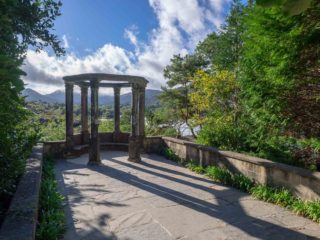
Perched on Sherkin Island, County Cork, the Sherkin Friary is a captivating relic of Ireland’s rich monastic heritage. Overlooking a rocky strand, the ruins evoke a sense of history and tranquillity, inviting visitors to reflect on Ireland’s monastic traditions. Founded in 1460 by Chieftain Fineen O’Driscoll, this Franciscan friary—also known as ‘The Abbey’—stands as a testament to Ireland’s spiritual and historical legacy. Its resilience was tested in 1537 when it was attacked and burned in a reprisal against the O’Driscoll clan. Despite this, it continued to operate until 1650, when Cromwellian forces confiscated the site.
It later came into the hands of the local Beecher family before being handed over to the Office of Public Works (OPW) in 1895. Accessible by boat visitors are advised to exercise caution during their visit, as the site is unguided.
A visit to Sherkin Friary is a journey into Ireland’s storied past—a must-see for those exploring Cork’s rich heritage. Each of these islands offers a distinctive glimpse into Ireland’s natural beauty, history, and culture. Whether you’re wandering through the exotic gardens of Garinish, exploring the wild landscapes of the Blaskets, immersing yourself in Irish tradition or uncovering medieval history on Clare Island — they all promise memorable summer adventures.
Oileáin Árainn
Ón chéad lá ar thosaigh daoine ag cuir fúthú sna hOileáin Árainn, bhí daoine ag teacht go Árainn, Inis Méain agus Inis Oírr ar cuairt. Do mhairnéalaigh na Cré-Umhaoise, ba stop áisiúil é ar a n-aistir aníos an chósta thiar, mar aon le deis maith roinnt copair a thrádáil le haghaidh fionnadh agus iasc trimithe. Sa ré Chríostaí, le himeachta ama, ba lár-ionad léinn a bhí sna hoileáin, agus tháinig ábhair naoimh sna sluaite ag Mainistir Naomh Éanna, chun teagasc a dhéanamh leis an fear naofa. Níos déanaí, leann oilithrigh lorg na naomh, iad ag súil go dtuillfidís am saor ó phurgóid agus máthúnas dá bpeacaí. Do Rómánsaithe an 19ú aois, ba ídéal ar Éire ‘Ghaelach’ a bhí in Árainn, áit nár fhág an saol nua-aimsirthe a lorg, más fíor.
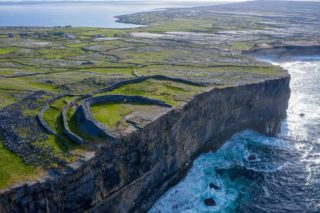
Tá Árainn go mór faoi thioncar a dúnta móra cloiche. Tá Dún Aonghasa and Dúchathair suite go guagach go hard ar ailtreacha theas an oileáin, agus tá Dún Eoghnachta agus Dún Eochla lonnaithe ar an talamh ard i lár an oileáin. Bhí cónaí ar uasaicme an oileáin sna dúnta le linn ré na luath-mheánaoise 800AD – 1100AD, ach i gcás Dún Aonghasa ar a laghad, bhí daoine ag cuir fúthu ann siar sa Chré-umhaois, 1100BC. Tá ballaí arda na dúin dochreitde tiubh, agus is léiriú soiléir iad ar an buíon oibre suntasach a bhí faoi cheannas muintir an dúin.
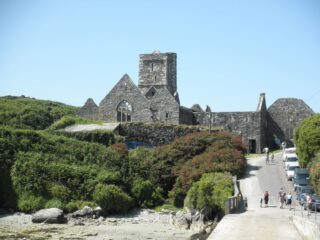
Ar cósta thuaidh Árainn, tá na séipéil agus mainistreacha suaimhneacha suite. Lá den saol, bhí Cill Éinne beo le scolairí, cléirigh agus oilithrigh, agus bhí an oiread rath ar an mhainistir go raibh sé d’achmhainn acu cloigtheach ard a thógáil san 11ú aois. Sa lá atá inniu ann breathnaíonn Teampall Bheannáin, an séipéil is lú in Éireann más fíor é, amach ar chuan Cill Éinne, agus in aice láimhe tá Teaghlach Éinne leath-cheilte faoi gaineamh. Ar taobh thiar an oileán, is é an suíomh ar a dtugtar na Seacht dTeampaill sa lá atá inniu ann is tábhachtaí. Tá grúpa suntasach d’fhoirgnimh agus séipéil meánaoiseacha le fáil ann, chomh maith le iarsmaí thrí ardchros mionsnoite.
D’fhág an 17ú céad a lorg ar Árainn chomh maith. Nuair a ghéill Gailleamh do forsaí Chromaill in 1650, cuireadh forsa saighdiúirí ar an oileán, agus tógadh Caisleán Aircín. Níor mhair go dtí an lá atá inniu ann ach balla amháin den caisleán ach is meabhrú sonrach dúinn é ar suímh stráitéiseach an oileán feadh béal Chuan na Gaillimhe.
Cloughoughter Castle
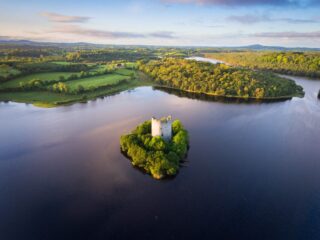
Perched on a man-made island in Lough Oughter, Co. Cavan, Cloughoughter Castle—also known as the Castle of Crannog O’Reilly—is a striking reminder of Ireland’s medieval heritage. Built in the 13th or early 14th century by the O’Reilly family, the castle’s strategic location on a crannog made it a formidable stronghold amidst the lakes and waterways of the region. Accessible only by boat, the castle’s remote setting offers visitors a sense of stepping back in time. When water levels are low, remnants of a causeway may be visible, hinting at the once-sophisticated means of access. Historical records recount numerous events at Cloughoughter, from sieges to political upheavals. Notably, during the Irish Rebellion of 1641-1642, the renowned scholar and bishop William Bedell was imprisoned here.
Today, Cloughoughter remains a National Monument under the guardianship of the Office of Public Works (OPW). Recent restoration efforts, including the removal of overgrown ivy and old structures, have enhanced visibility of its historic fabric. Visitors should note that the site is unguided, requiring care and caution during exploration. As a powerful symbol of Ireland’s medieval past, Cloughoughter Castle continues to inspire those seeking to connect with Ireland’s rich heritage.
An Blascaod Mór
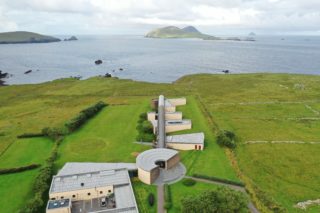
Is beag duine in Éirinn nách bhfuil eolas éigin acu faoi’n mBlascaod Mór, príomh-oileán na mBlascaodaí, ar chósta thiar Chorca Dhuibhne i gCiarraí. Mhair pobal uathúil ar an oileán go dtí 1953 agus tháining raidhse saothair litríochta as, ó na 1920idí amach – An tOileánach le Toms Ó Criomhhtain, Fiche Bliain ag Fás le Muiris o Súilleabháin agus Peig le Peig Sayers mar cheannródaithe orthu. Lean mórán leabhair eile iad, a fhágann go bhfuil cúntas cuimsitheach ar conas a mhair an pobal sin, ar chuma nách bhfuil le fáil in aon áit dá leithéid, ní amháin in Éirinn ach ar domhan. Deintear ceiliúradh an an oidhreacht shaibhir sin in Ionad an Bhlascaoid ar an míntír i nDún Chaoin.
Tá mórán taighde agus saothair foilsithe ag scoláirí iomráiteacha faoi ghnéithe do chultúr, béaloideas agus stair na mBlascaodaí fiú go dtí an lá inniu, as Gaeilge agus i dteangacha eile. Léiríonn siad saibhreas agus tábhacht na hoidhreachta atá fágtha ag pobal an Bhlascaoid Mhóir.
Is fiú go mór turas a thabhait at an t-oileán féin. Tá áilleacht, uaisleacht agus uaigneas thar na bearta ag baint leis. Tá teacht ar an oileán ar sheirbhísí farantóireachta príobháideacha a ritheann ó Dhún Chaoin, ó Cheann Trá agus ó Dhaingean Uí Chúis idir an Aibreán agus Meán Fómhair – ag brath ar aimsir, gan amhras. Bíonn turasanna treóraithe á gcur ar fáil go laethúil ann ag treóraithe ó Ionad an Bhlascaoid, a thugann léargas ar bhaile an oileáin, scéalta na ndaoine agus na tithe inar mhair siad, sar a tréigeadh an áit i 1953.
Taobh amuigh den oidhreacht agus stair, is áit fíor-álainn an Blascaod Mór ina bhfuil radharcanna iontacha mórthimpeall. Tá siúlóidí den scoth ann a thugann éachtaint ar an tírdhreac agus muirdhreac ar gach taobh. Tá an áit mar chuid de Pháirc Náisiúnta na Mara a ainmníodh i 2024 agus tá tóir ar an mBlascaod Mór mar láthair chun na rónta glas agus éanlaithe mara atá flúirseach ann a fheiscint.
Tá mórán oibre idir lámha faoi láthair le go ndéanfaí caomhnú fad-téarmach ar an mBlascaod Mór agus chun áiseanna túirlingte a fheabhsú ionas an láthair fíor-thábhachtach seo a bheith cosanta agus ar fáil do chuairteoirí in sna blianta agus glúnta atá rómhainn. Is é is lú atá tuillte mar omós ag an bpobal eisceachtúil a mhair ann, do chuimhne na n-údair iomráiteacha agus saibhreas oidhteachta agus nádúrtha an Bhlascaoid. Faoi mar a dúirt an Criomhthanach, “mar ná beidh a leithéidí arís ann”.
Beneath the Grandeur
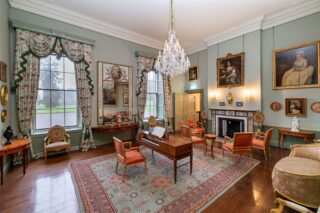
Visitors to Emo Court in County Laois are often struck by the elegance of James Gandon’s neoclassical design: the sweeping rotunda, the stately dining room, and the finely proportioned drawing rooms. Built for the Earls of Portarlington in the late 18th century, the house later passed through many chapters of ownership, including the Jesuits in the 20th century and, later, Major Cholmeley-Harrison, whose stewardship paved the way for its transfer to the Irish State. Today, under the care of the Office of Public Works, Emo Court continues to evolve. In 2025, our visitor experience was further enriched with the unveiling of the basement interiors—spaces long hidden from view that now complete the story of life both above and below stairs. More than a restoration, this project represents a balance of heritage and conservation, ensuring the past is preserved while allowing new generations to experience it afresh.
The basement of Emo Court was the unseen heart of the house. Here, servants once moved through kitchens, pantries, storage rooms, and passageways, supporting the grandeur above with quiet efficiency. Unlike the decorative reception rooms, these spaces were designed for function rather than display. Stone floors, functional corridors, and practical workrooms speak to a daily rhythm of labour and necessity.
By opening these interiors to visitors, the narrative of Emo Court is expanded. The splendour of the formal rooms is now set against the authenticity of the working quarters, offering a complete picture of how a great Irish country house operated.
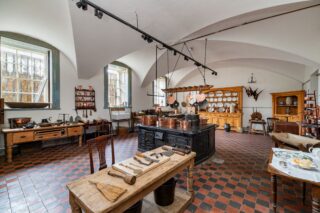
The presentation of the basement followed a programme of careful planning and restoration led by our OPW conservation architects. Their task was not only to conserve the fabric of the structure but also to interpret its story for the public. The result is an experience that retains the integrity of the spaces while ensuring accessibility and safety.
A key element in the project was the furnishing of the basement with period-appropriate objects that evoke its former life. Here, the assistance of Matt McNulty a long-standing supporter of Irish heritage and the proprietor of tourism and heritage management services,, was invaluable. By helping to acquire tools, utensils, and other domestic items, he ensured that the atmosphere of the quarters could be authentically recreated. This attention to detail brings substance to the architecture, allowing visitors to imagine the daily life of those who worked below stairs during the Victorian era.
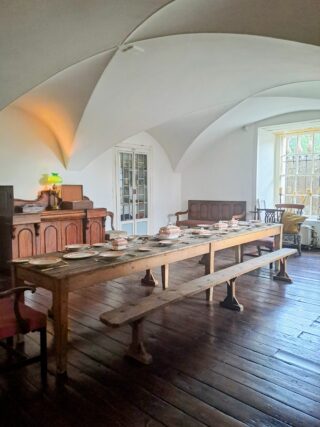
The basement is not only a historic space but also a living one. Over time, it has become a valuable habitat for bats, a protected species in Ireland. In preparing the area for public access, the OPW worked in close collaboration with the National Parks and Wildlife Service to ensure this habitat was safeguarded. Through sensitive environmental management and discreet adaptations, the project succeeded in balancing heritage presentation with ecological responsibility.
This partnership demonstrates how cultural and natural heritage can coexist, allowing the house to be appreciated as both a monument of human endeavour and a sanctuary for wildlife.
The unveiling of the basement interiors enriches the visitor journey through Emo Court. Above stairs, guests encounter the artistry of Gandon’s vision and the history of aristocratic and later custodianship. Below stairs, they discover the spaces of work, service, and resilience—rooms that once sustained the grandeur on display above.
Together, these contrasting worlds tell a more nuanced story of Emo Court: a house of splendour built upon foundations of labour, care, and quiet industry. The restoration ensures that both sides of this history are honoured, offering visitors not only beauty but understanding.
Scattery Island Furniture
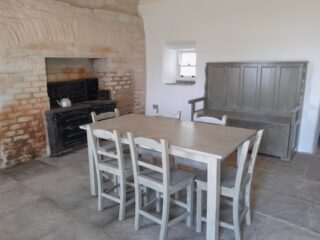
The furniture in the restored cottages is based on the layout and type of furniture in documentation about Scattery Island and drawings and photographs from archive sources respectively. Don Scanlan’s book about Scattery Island provided details of the type and layout of furniture in the cottages including a kitchen table and set of chairs, a dresser against the internal wall opposite the main fireplace and a settle against the rear wall. Drawings of cottages around Ireland in the 1940s from the Irish Folklife Collection in the National Museum of Ireland included floor plans, which also provided information showing typical furniture layouts of similar direct-entry cottages around Ireland.
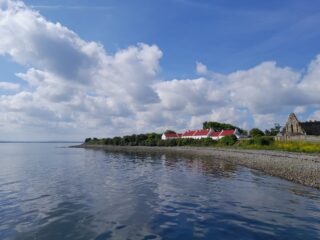
All of the furniture details in the houses are based on details from drawings in the Irish Folklife Collection in the National Museum of Ireland, furniture from Clare and the surrounding counties, furniture in publications and furniture from the Museum of Country Life in Castlebar.
The furniture throughout ‘The Street’ consists of replica furniture made in White Deal by OPW Carpenters in Athenry with a set of kitchen chairs and children’s chairs from local suppliers. All of the dressers, settles, benches and a set of kitchen chairs were made by OPW Carpenters and apprentices. Due to the exposed location of the buildings on the island, and in order to prevent damage from dampness to original furniture, OPW Carpenters made replica furniture. The replica furniture also allows visitors to sit down on a guided tour or self-guided tour.
Local residents’ recollections of the Post Office at the northern end of ‘The Street’ have indicated that the layout was not based on a typical Post Office layout. The Post Office desk is based on furniture from a post office in a similar type of cottage in the Ulster American Folk Park in Omagh, with individual compartments for each house.
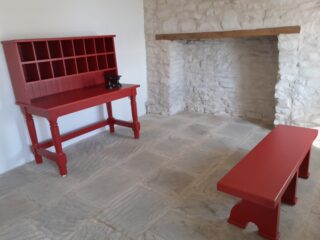
McMahon’s House at the centre of ‘The Street’ contains a settle based on the settle in the Loop Head Farmhouse in Bunratty Folk Park and a dresser based on an example from the Irish Folklife Collection with inset doors and drawers. Brennan’s House at the southern end of ‘The Street’ contains a low settle based on an example from the Irish Folklife Collection and a dresser based on a dresser from Co. Clare with inset doors and partially overlaid drawers. The low settle allows uninterrupted light to enter the house through the rear window, a feature on many of the Scattery houses.
The details vary between different items of each type of furniture, all of which are based on details in drawings and photographs of original furniture. Typical details vary and include tongue-and-groove boards to stop-chamfers and raised panels on settles and dressers. Details also include corbels, brackets, simple plain moulded cornices and simple plain moulded skirting boards on dressers. Brennan’s house and McMahon’s house contain different tables and chairs based on furniture from Clare and the neighbouring counties.
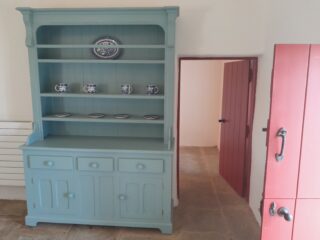
In order to mitigate the impact of the exposed location of the island on the furniture and to protect the furniture from the effects of dampness, the dressers and settles were raised slightly off the ground. Details were based on the sledge feet on traditional vernacular furniture, a detail also used to protect the base of furniture against water damage and dampness.
The furniture was painted in different colours based on images of furniture in publications by Claudia Kinmonth and furniture from the Museum of Country Life in Castlebar. Colours vary from house to house and include red, blue and grey. All furniture was painted throughout, in order to protect it.
Similar typical vernacular details are used for other features in the restored houses, all of which will be made by OPW Carpenters. The new desk in the visitor centre is based on similar details to the houses with simple tongue-and-groove boards and simple plain moulded skirting boards. The electrical board in each house will be enclosed by a press made of tongue-and-groove boards based on fireside presses in traditional cottages.
It is proposed to add to the furniture over time. OPW carpenters will make additional items of furniture including additional presses and bedroom furniture, all based on traditional vernacular furniture including further local examples.
Acknowledgements:
Terri Sweeney Meade, APA; Michèle O’Dea, Senior Architect; Frank Geraghty, District Works Manager; Michael Heraghty, Foreman; Tom Blunnie, General Operative/Skipper; Declan Furey, Carpenter; Kevin Skehill, Carpenter; Michael Cassidy, Apprentice Carpenter; National Museum of Ireland